
Todai-ji history in short
Emperor Shomu issued the decree for the Great Buddha in 743. The casting was finished in 749, and a large dedication ceremony followed in 752. Todai-ji was the lead temple of the state network of provincial temples, the Kokubunji, and a center for rituals and for the training of learned monks.
The site has been damaged by earthquake and by war. The hall you can visit now was consecrated in 1709. The buildings, the statue and the gate each have their own building and repair phases, so the date of the Buddha's dedication is not the date of the hall.
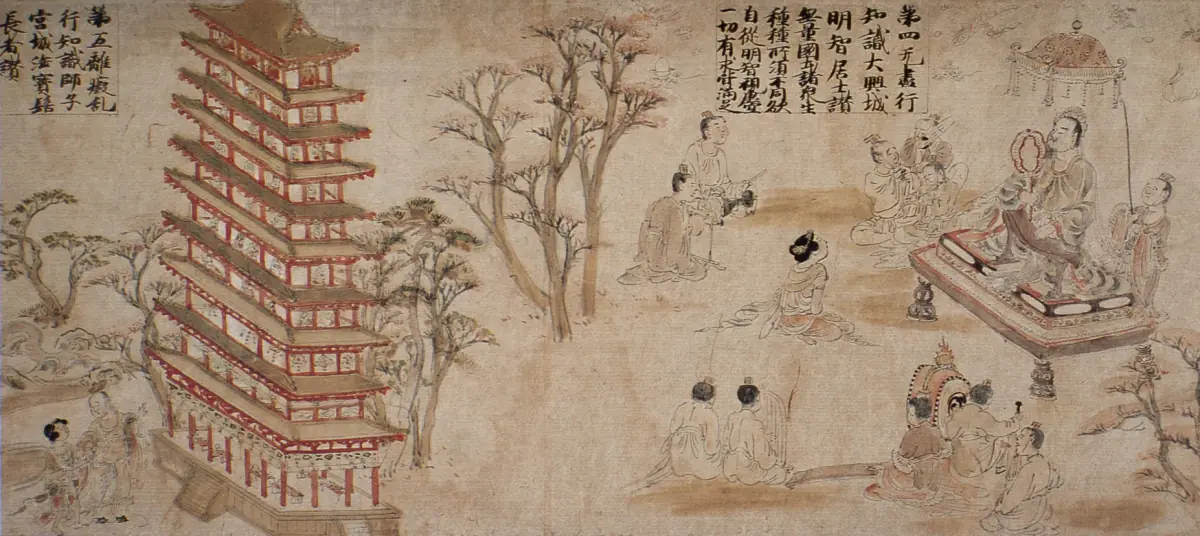
Timeline from 728 to 1709
The key dates, in order.
| Year | What happened |
|---|---|
| 728 | Kinshoji, the predecessor temple, founded in memory of Shomu's deceased son |
| 741 | The state network of provincial temples ordered; the predecessor institution raised in rank |
| 743 | Shomu's decree for the Great Buddha |
| 749 | Great statue completed |
| 752 | Great dedication ceremony of the Buddha |
| 754 | Ganjin brings the rules of Buddhist ordination to the Kaidan-in |
| 855 | The head falls in an earthquake and is restored |
| 1180 | Fire after an attack by Taira no Shigehira; much of the temple, including the main hall, destroyed |
| 1185 | The Buddha dedicated again after restoration under Chogen |
| 1567 | More war damage in the Miyoshi and Matsunaga conflict |
| 1692 | The Buddha dedicated again after Edo-period restoration |
| 1709 | The present Great Buddha Hall consecrated |
Nara tours with a guide to Todai-ji
Guided walks and day trips that bring the history to life, with live prices and availability.
How the temple came to be
Three steps from a small temple to a state project.
A predecessor in 728
Kinshoji was founded in 728 in memory of Shomu's late son. In 741 the emperor ordered a network of provincial temples, and the temple on this site was raised in rank within it.
The Buddha, 743 to 752
Shomu issued his decree in 743, the casting was finished in 749, and the dedication followed in 752. Details on the figure, its size and the pillar with the famous hole are on the Great Buddha page.
A temple of learning
Todai-ji led the network of state temples and served as a center for rituals and for training scholar monks. In 754 the monk Ganjin passed on the rules of ordination, which ties the Kaidan-in to this period.
Fires, repairs and the rebuilds
The head of the statue fell in an earthquake in 855 and was restored. In 1180 a fire after an attack by Taira no Shigehira destroyed much of the temple, including the main hall. Chogen led the restoration, and the Buddha was dedicated again in 1185. In 1567 war damaged it again.
The Edo-period restoration ended with a new dedication of the Buddha in 1692 and the consecration of the present hall in 1709. The new hall has 7 bays across the front instead of the earlier 11, while the depth and height stayed the same.
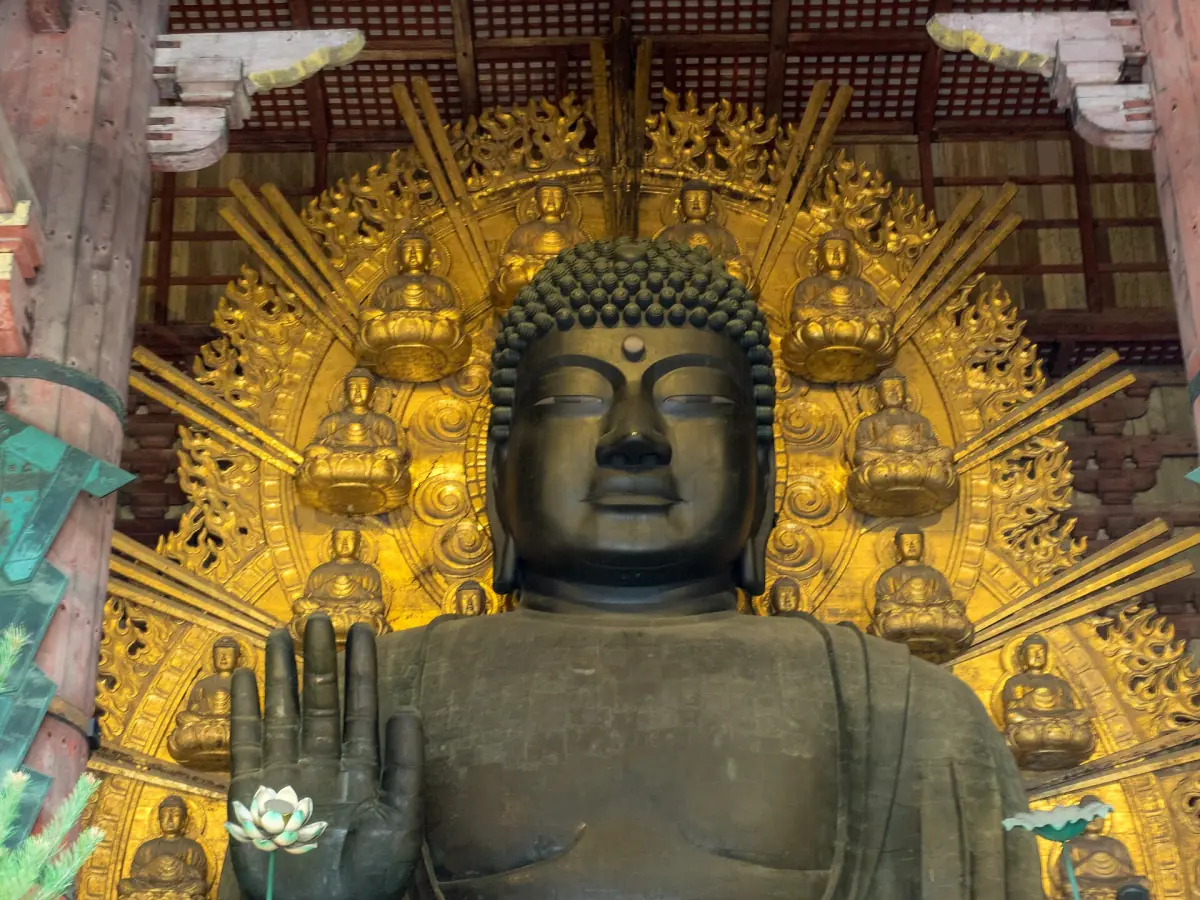
The parts of the statue differ in age. The head dates from the Edo period, the upper body from repairs in the Muromachi and Momoyama periods, and parts of the lower body, legs and base are from the original era. Read more on the Daibutsuden page.
Other buildings, other dates
Each building has its own story.
Nandaimon
The Great South Gate had its ridge raised in 1199, and gate and guardians were completed in 1203. See the Nandaimon page.
Hokkedo
The oldest building still standing, from the Tenpyo era and from 733 at the earliest. The front hall was renewed in 1199. See Hokkedo.
Nigatsudo
The first hall burned in 1667 during the ritual, and the present hall dates from 1669. See Nigatsudo.
Kaidan-in
Linked with Ganjin and the ordination rules of 754. The buildings you see now are Edo-period rebuilds.
UNESCO
Todai-ji is part of the serial World Heritage site Historic Monuments of Ancient Nara, inscribed in 1998. That covers a group of sites, not only the Buddha or the hall.
For the setting around the temple, see our guide to Nara Park.
Which period you are looking at
Few buildings on the site are as old as the temple. From the Nara period you see parts of the lower body, legs and base of the Buddha, the ten Nara-period statues in the Hokkedo and the four Heavenly Kings in the Kaidan-in. The Nandaimon and its guardians date from the years around 1200, when Chogen led the rebuilding after the fire of 1180. The head of the Buddha, the present hall and the Nigatsudo are Edo-period work.
That mix explains why the temple feels both old and new. The museum keeps treasures that were moved from older halls, and the tickets page lists which halls charge entry.
Todai-ji history: frequently asked questions
Who founded Todai-ji?
Emperor Shomu issued the decree for the Great Buddha in 743. A predecessor temple, Kinshoji, had been founded in 728 in memory of his son.
When was the Great Buddha made?
The decree came in 743, the casting was completed in 749 and the dedication ceremony took place in 752.
Is the Great Buddha Hall the original building?
No. The main hall burned in 1180 and again in 1567. The present hall was consecrated in 1709.
Is the Buddha statue original?
Partly. The head is from the Edo period and the upper body from repairs of the Muromachi and Momoyama periods. Parts of the lower body, legs and base come from the original period.
Is Todai-ji a World Heritage site?
Yes, as part of Historic Monuments of Ancient Nara, inscribed in 1998.
Why is the hall narrower than the first one?
The present hall has 7 bays across its front instead of the earlier 11. Its depth and height stayed the same.