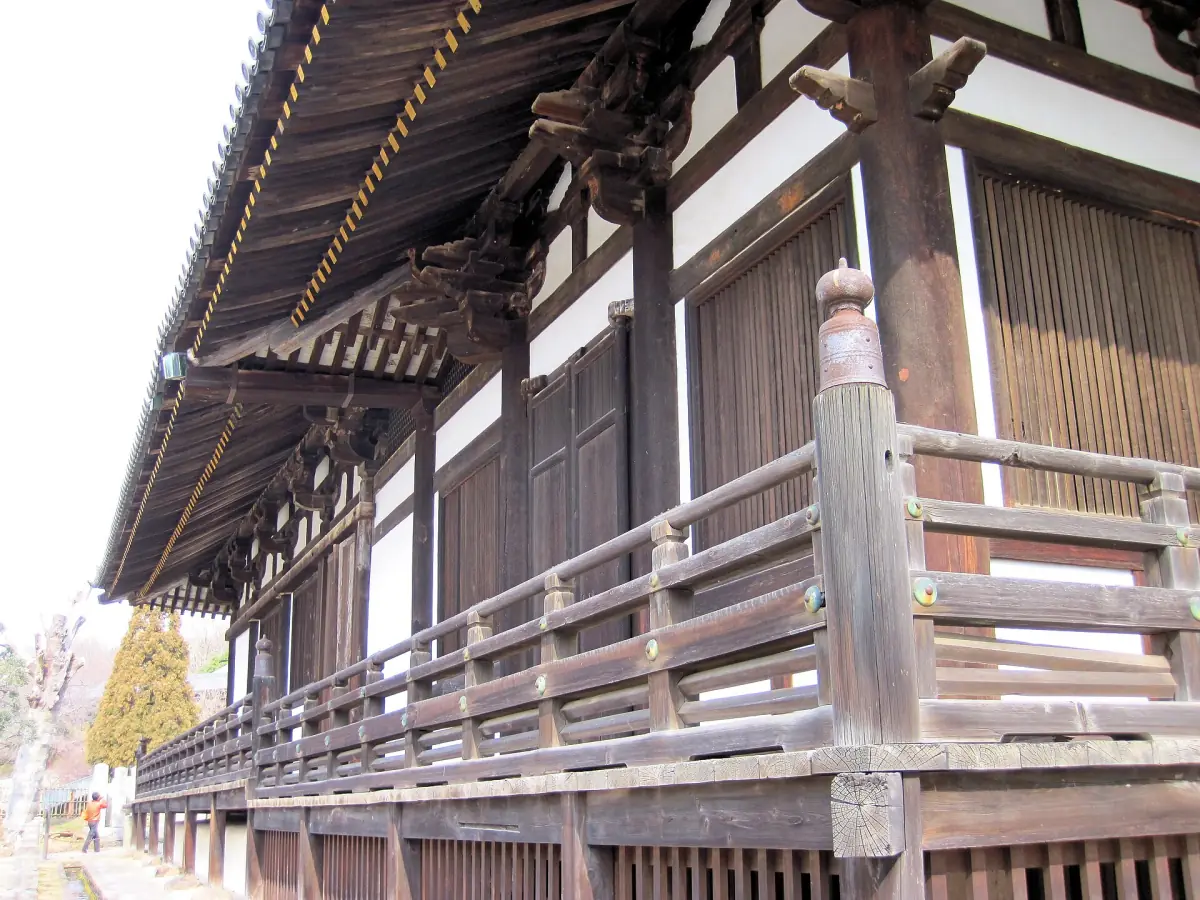
Hokkedo at a glance
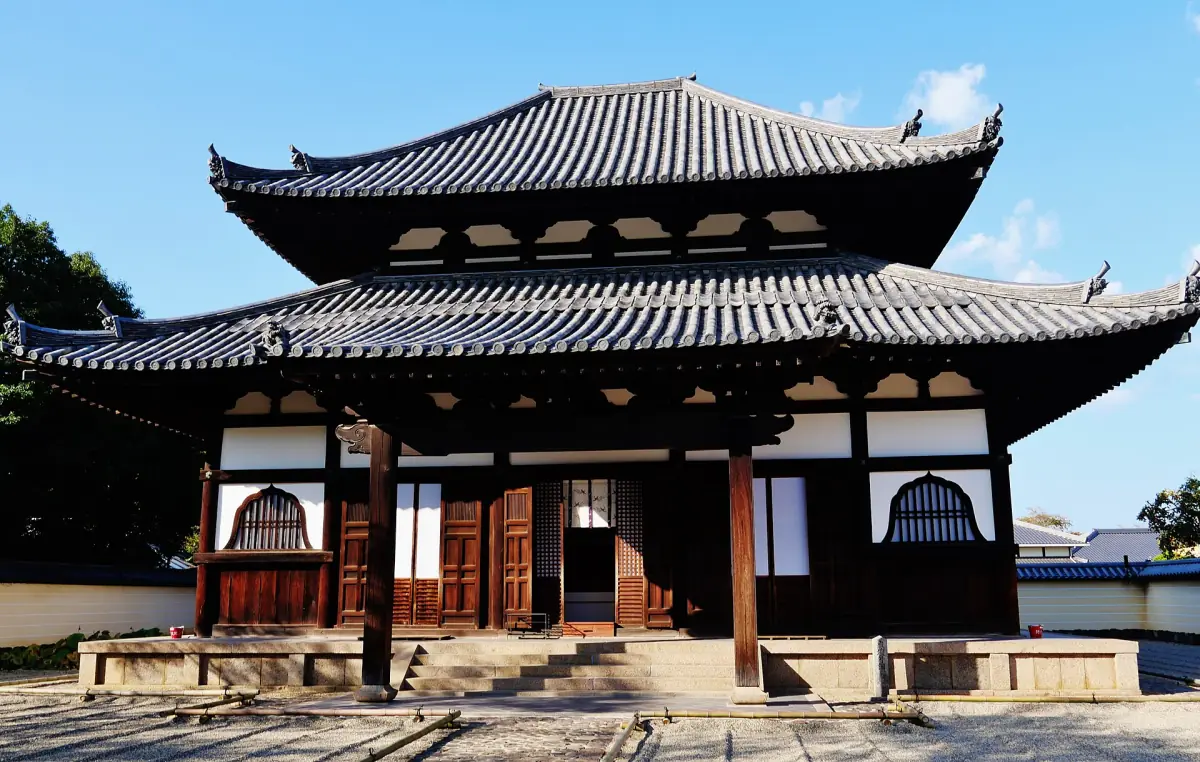
The Hokkedo is the oldest building still standing at Todai-ji. It dates from the Tenpyo era in the eighth century, from 733 at the earliest, so its start falls in the 730s or 740s. In 1199 the monk Chogen renewed the front worship hall and joined it to the older sanctuary behind it.
The name Sangatsudo means Hall of the Third Month. A Lotus Sutra ritual took place there in that month. Inside, the main image is the Fukukensaku Kannon, and the temple counts ten statues from the Nara period as National Treasures.
Tickets, hours and getting in
The Hokkedo is paid separately from the Great Buddha Hall. Prices and hours as of 2026.
| Hall | Adult (13+) | Child (6 to 12) | Hours |
|---|---|---|---|
| Hokkedo | JPY 800 | JPY 400 | 08:30 to 16:00 |
| Kaidan-in (Kaidando) | JPY 800 | JPY 400 | 08:30 to 16:00 |
| Daibutsuden | JPY 800 | JPY 400 | 07:30 to 17:30 (April to October), 08:00 to 17:00 (November to March) |
| Museum | JPY 800 | JPY 400 | 09:30 to 17:30 (April to October), 09:30 to 17:00 (November to March) |
The combined ticket covers the Daibutsuden and the museum only. It does not include the Hokkedo. Pay in cash at the hall, there is no booking system for ordinary visits. The ticket sign at the window is the final word on the day, so look at it before you queue. Full details are on the tickets page.
Guided walks that include Todai-ji
Nara walking tours, e-bike rides and day trips that include Todai-ji, with live prices and availability.
What you see inside
A small hall with a few important figures.
The main image
The central figure is the Fukukensaku Kannon, the principal image of the hall. It is one of ten Nara-period statues in the building that the temple counts as National Treasures.
The 16 December figure
The Shukongojin statue is shown to the public only on 16 December each year. For the rest of the year, do not expect to see it.
Statues now in the museum
Nikko and Gakko, together with Kichijoten and Benzaiten, were moved to the Todai-ji Museum as protection against earthquakes. The hall now holds fewer figures than it once did. The second gallery of the museum is modeled on the interior of the Hokkedo.
Rules
Photography, drawing and flashlights are not allowed inside.
Kaidan-in next door
The Kaidan-in is a separate group of buildings, with its own fee and the same hours as the Hokkedo. Kaidan-in names the complex, and the Kaidando is the ordination hall inside it. It is tied to the monk Ganjin, who brought the rules for ordaining monks in 754. The buildings that survive today are rebuilt from the Edo period.
The Kaidan-in houses the four Heavenly Kings, the guardians of the directions, in Nara-period figures that are National Treasures. The ordination hall is a prefecture-designated cultural property. Check at the ticket window that it is open on the day.
Fit it into your day
The Hokkedo closes early, so plan around the hour.
Go before 16:00
Get to the Hokkedo well before 16:00, ideally by 15:30, so you are not rushed. It closes before the Daibutsuden and the museum in every season.
Combine with the Nigatsudo
Add the Nigatsudo if you have time. It is free and open at all hours, while the Hokkedo has set hours.
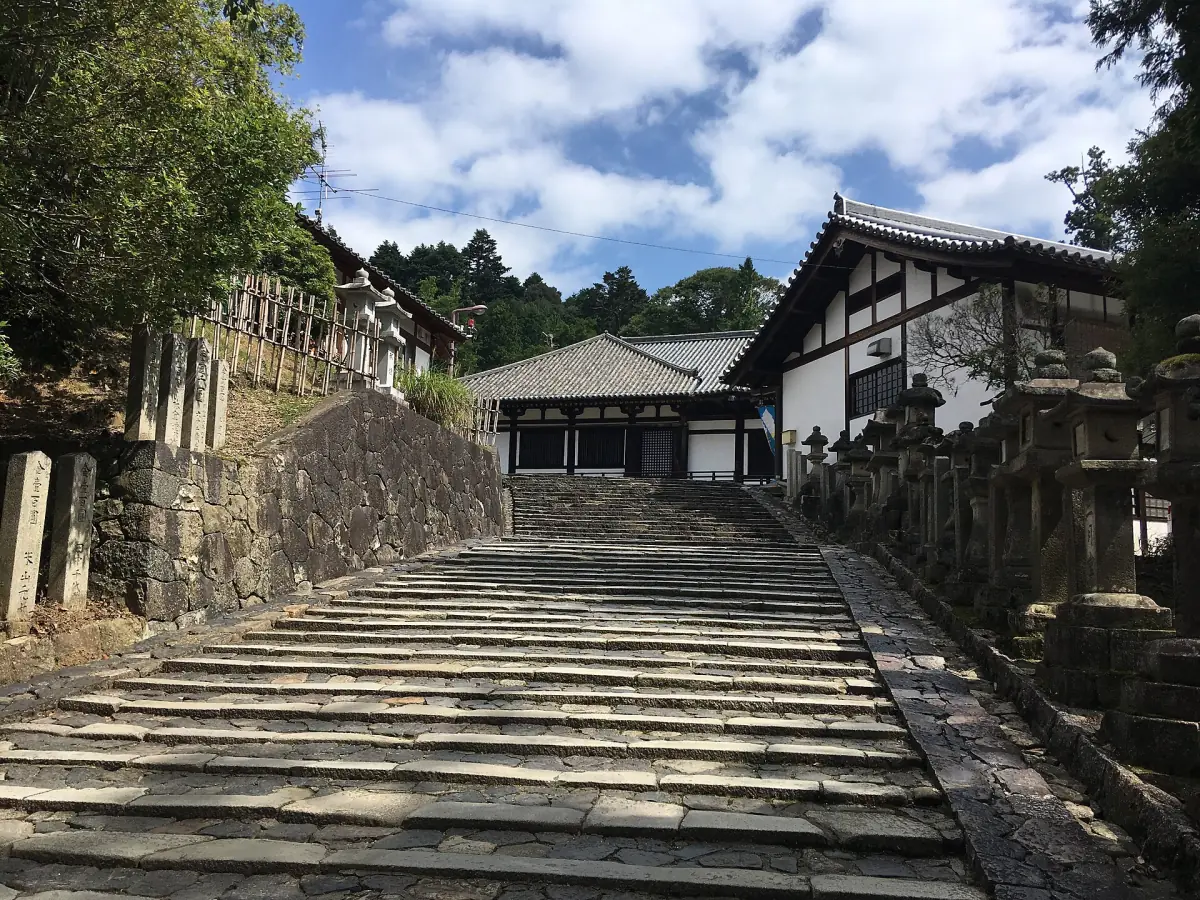
Mind the stairs
You approach the hall by a stairway. The shoes you wear for the Great Buddha Hall are fine. Allow a little extra time if you walk slowly or carry a child.
For a longer day in Nara, Kofukuji and Kasuga Taisha are covered at Kofukuji and Kasuga Taisha.
When to visit the Hokkedo
The hall keeps the same hours all year, 08:30 to 16:00, so the season matters mostly for comfort. In Nara the average daily high is 19.8 degrees Celsius in April and 22.6 in October, with lows of 8.7 and 13.5. July and August bring highs of 31.7 and 33.4, so a stairway climb is easier early in the day. These are long-term monthly averages, not a forecast.
The one date to remember is 16 December, when the Shukongojin statue is shown. December averages 11.6 by day and 3.0 at night, so dress for a cold hall. See best time to visit for the full month-by-month picture.
Hokkedo: frequently asked questions
What is the difference between Hokkedo and Sangatsudo?
They are two names for the same hall. Sangatsudo means Hall of the Third Month, and the name Hokkedo is linked to the Lotus Sutra rite held there in that month.
How much is the Hokkedo ticket?
JPY 800 for ages 13 and up and JPY 400 for ages 6 to 12 in 2026. Carry cash, and look at the sign at the window, because hall fees can change.
When does the Hokkedo close?
At 16:00 all year, earlier than the Great Buddha Hall. Opening is at 08:30.
Is the Hokkedo included in the combined ticket?
No. The combined ticket covers the Daibutsuden and the museum only. The Hokkedo needs its own ticket.
Can I take photos inside the Hokkedo?
No. Photography, drawing and flashlights are not allowed inside.
How old is the Hokkedo?
It is the oldest surviving building at Todai-ji, dating from the Tenpyo era, 733 at the earliest. The front hall was renewed in 1199.