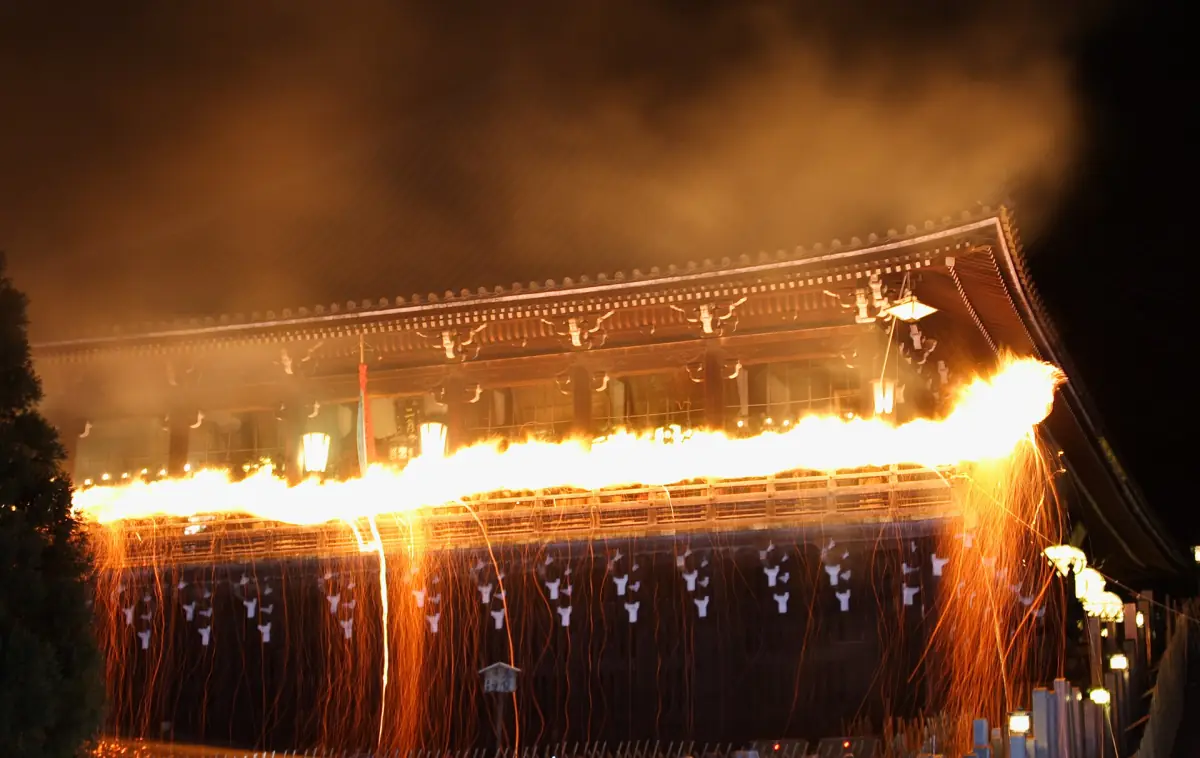
Omizutori at a glance
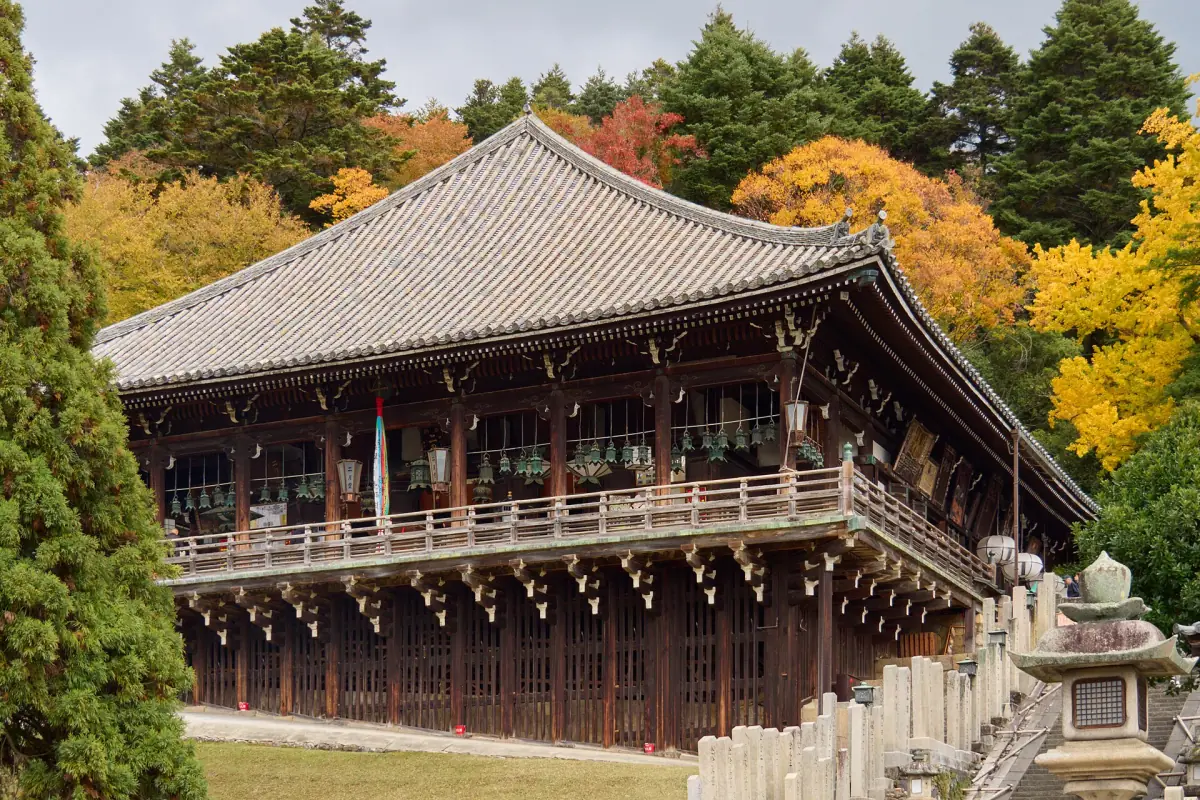
The Omizutori is the popular name of the Shuni-e, a Buddhist rite of repentance held before the eleven-headed Kannon at the Nigatsudo. By the temple's tradition it was begun by the monk Jitchu in 752 and has been carried on since. In 2026 the temple counted the 1,275th performance.
The main practices run from 1 to 14 March each year, so plan for 1 to 14 March 2027. The famous part is the Otaimatsu: the large torches that light the monks' way along the balcony of the Nigatsudo. Check the temple's notice for the 2027 visitor rules before you travel, because the rules are issued year by year.
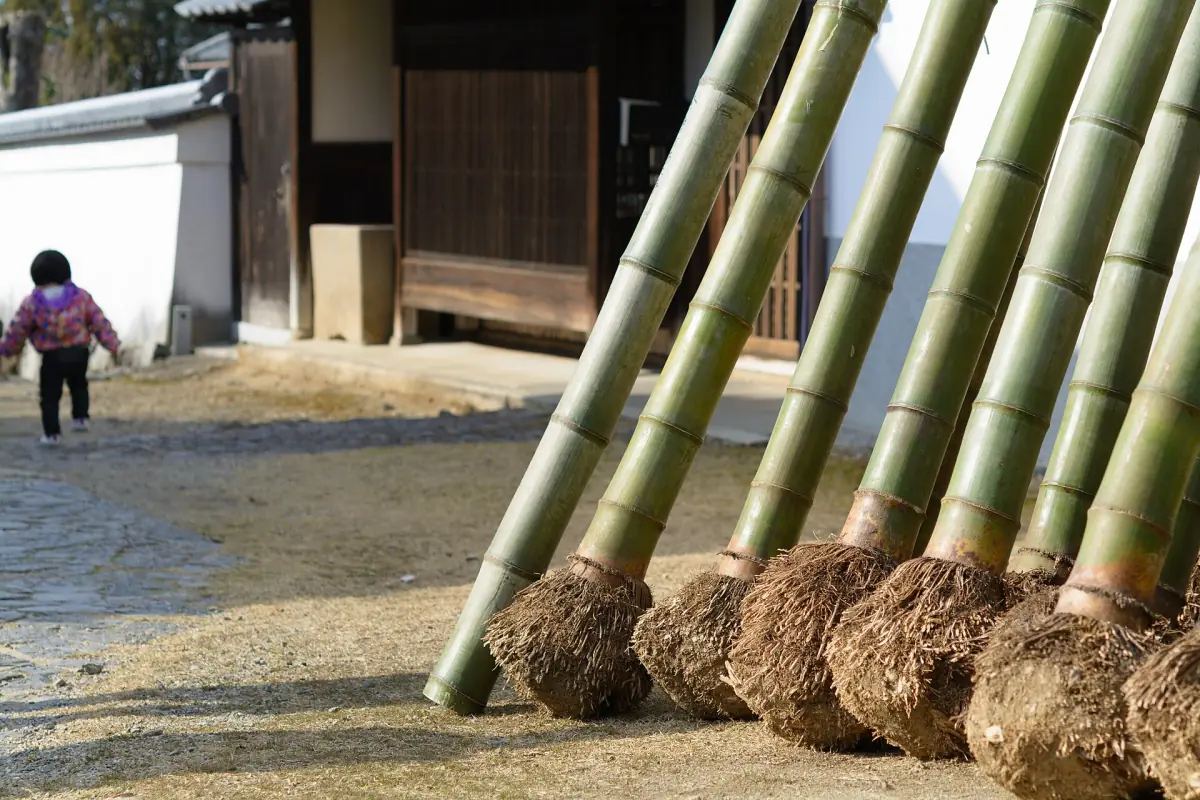
Torch times seen in 2026
Approximate times for the Otaimatsu in 2026. The 2027 schedule can differ.
| Date in March | Otaimatsu in 2026 (approx.) | Note |
|---|---|---|
| 1 to 11, and 13 | 19:00 to 19:25 | Standard evening window |
| 12 | 19:30 to 20:10 | Longest display, crowded night |
| 14 | 18:30 to 18:40 | Earlier and shorter |
Treat these as a pattern, not a promise for 2027. Arrive early, because the view depends on where the crowd lets you stand.
Nara tours with Todai-ji
Guided walks and day trips from Nara and Kyoto that include Todai-ji, with live prices and availability.
Water and fire, the two parts of the rite
The name Omizutori means water drawing, but most visitors come for the torches.
The torches
The Otaimatsu are the large torches that light the monks' way. They are part of a ritual, not a fireworks show, and the same rite repeats across the fortnight. A shower of sparks is not something you can count on.
The water drawing
The water is drawn from the Wakasa well in the night of 12 to 13 March, at about 01:30 to 02:00 on 13 March. Plan on a very late night and do not count on a place to watch.
Why 12 March is different
On 12 March the torch display is longer and the crowds are larger. General visitors see it only briefly while moving on, and the temple suggests other days for a better view.
Crowd rules and safety
From the 2026 visitor sheet. Check what applies in 2027.
No reservations, no saved places
You cannot reserve a viewing spot or hold one for others. When an area reaches capacity, visitors are redirected to a second area, and after that entry may stop altogether.
Access closures
Parts of the grounds are closed at times before, during and after the torches. Follow the staff on site, because their instructions override anything printed.
Inside the hall
No electronic devices, photos, films or sound recordings inside the hall. Outside the hall, follow the signs.
Cold and crowded
March nights are cold, the approach is awkward and space is limited. In Nara the March average is 13.9 degrees by day and 3.6 at night, with about 105 mm of rain in the month. Wear layers and sturdy shoes. A good view or a shower of sparks is not guaranteed.
Planning a March trip
If you travel for the Omizutori, book your stay early and build in a buffer for crowds. The park around the halls is free and open at all hours, but that does not make the paid halls open at night. For daytime hall hours see the tickets and opening hours page, and for the area's other sights use our sister guide to Nara Park.
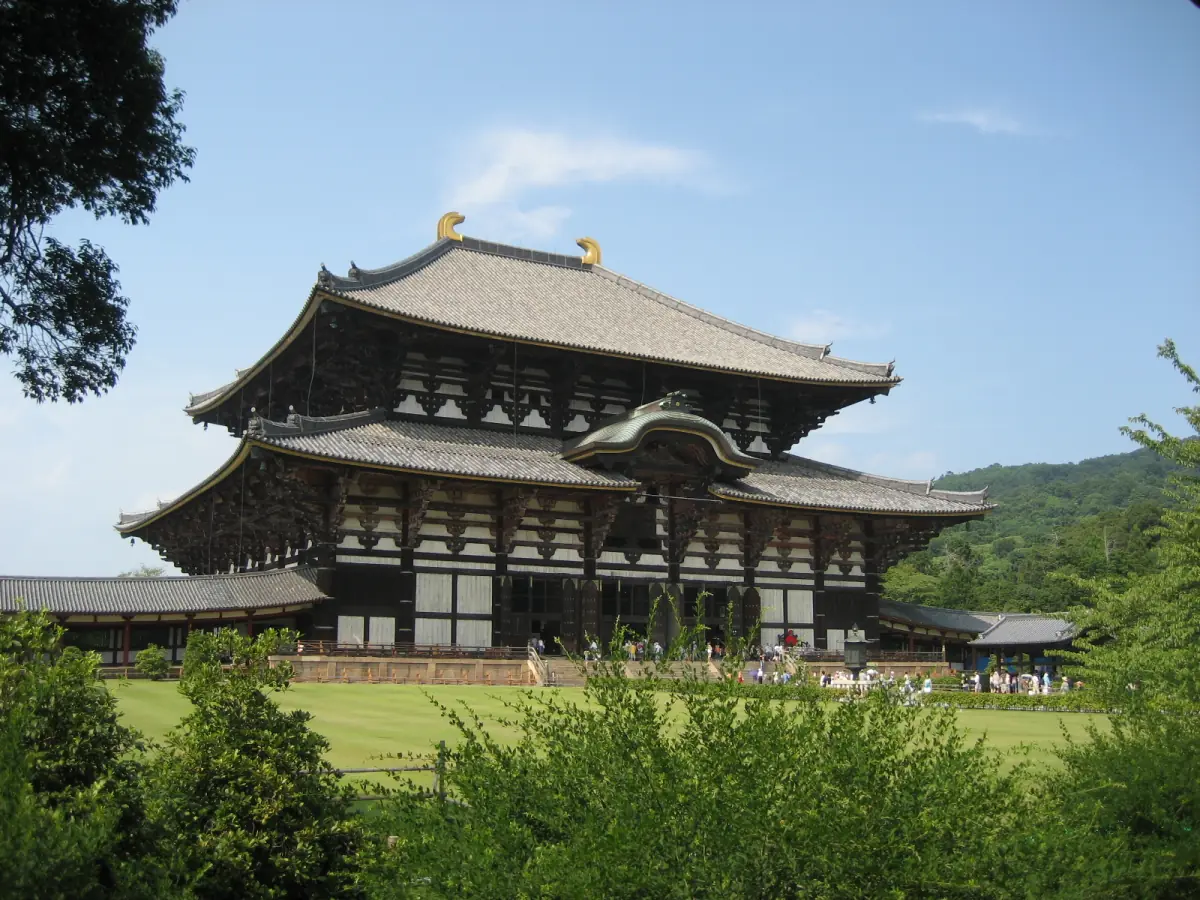
Do not plan around a promised view. If the Nigatsudo approach is closed when you arrive, the daytime sights, such as the Great Buddha, the museum and the Hokkedo, are still worth the trip.
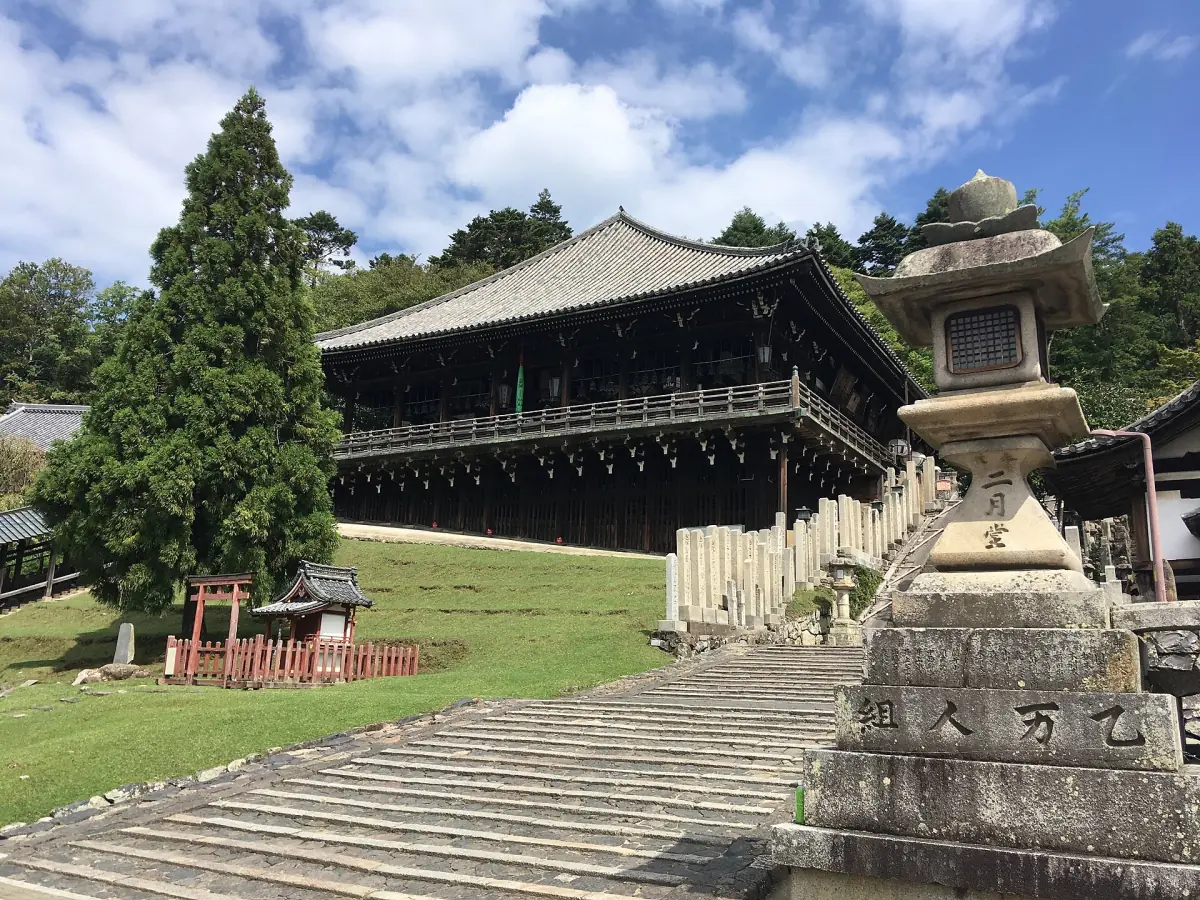
More to read before you go
Related pages on this site.
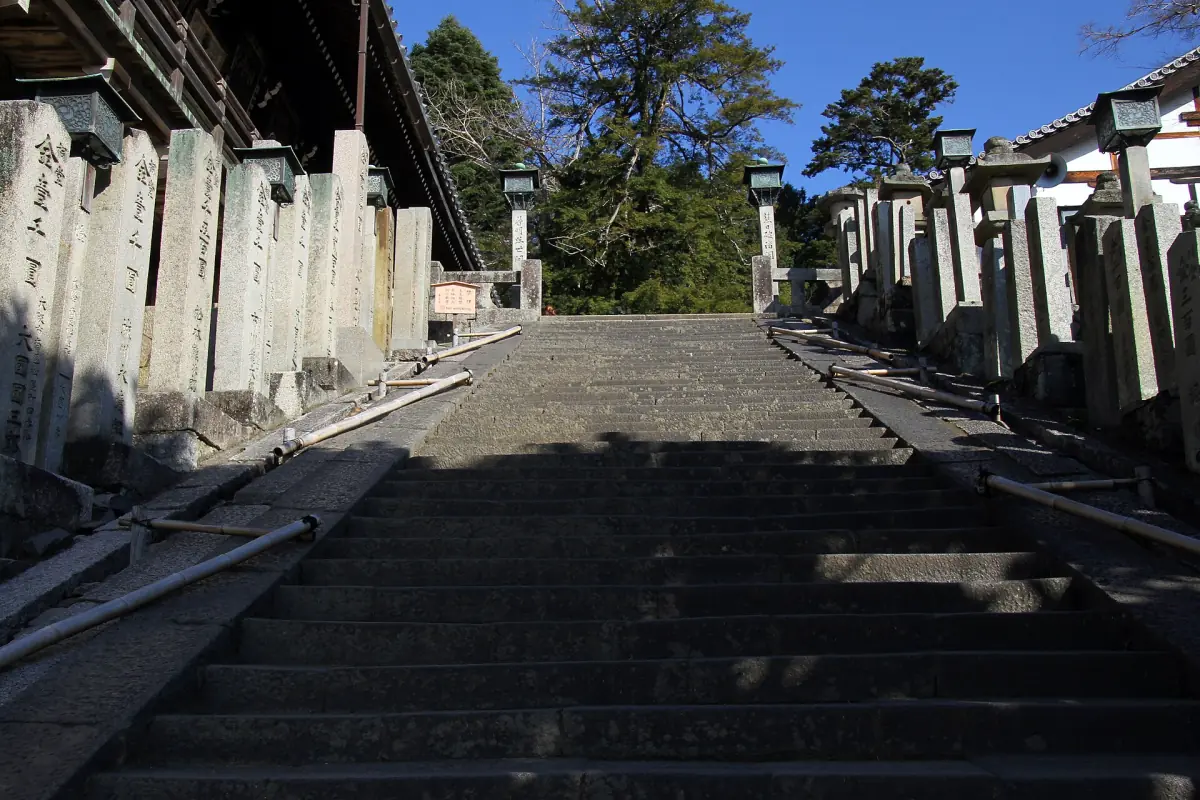
Getting there and back in the evening
From Kintetsu Nara it is about a 20-minute walk east along Noborioji to the temple, and the eastern halls take extra time on top of that. By bus, the city loop line goes to the stop Todaiji Daibutsuden / Kasuga Taisha-mae, followed by about 5 minutes on foot. Do not confuse it with the stop further north at the national museum.
Late evenings and the night of 12 to 13 March can leave you with few transport options, so check the last buses and trains before you commit. More routes and fares are on the getting there page.
Omizutori: frequently asked questions
When is the Omizutori in 2027?
The main practices run from 1 to 14 March each year, so plan for 1 to 14 March 2027. Check the temple's notice for the visitor rules of that year.
What time are the torches?
In 2026 they were at about 19:00 to 19:25 on 1 to 11 and 13 March, about 19:30 to 20:10 on 12 March and about 18:30 to 18:40 on 14 March. Use that as a pattern and confirm the 2027 times.
Which night is the best for watching?
Not 12 March. That night is the busiest and general visitors get only a short view while moving along. The temple suggests other days.
Do I need a ticket or a reservation?
For the 2026 visits there was no reservation and no way to hold a place. Check the 2027 notice for any change.
Can I take photos?
Not inside the hall: electronic devices, photos, films and sound recordings are not allowed there. Outside, follow the signs and the staff.
When is the water drawn?
In the night of 12 to 13 March, at about 01:30 to 02:00 on 13 March.