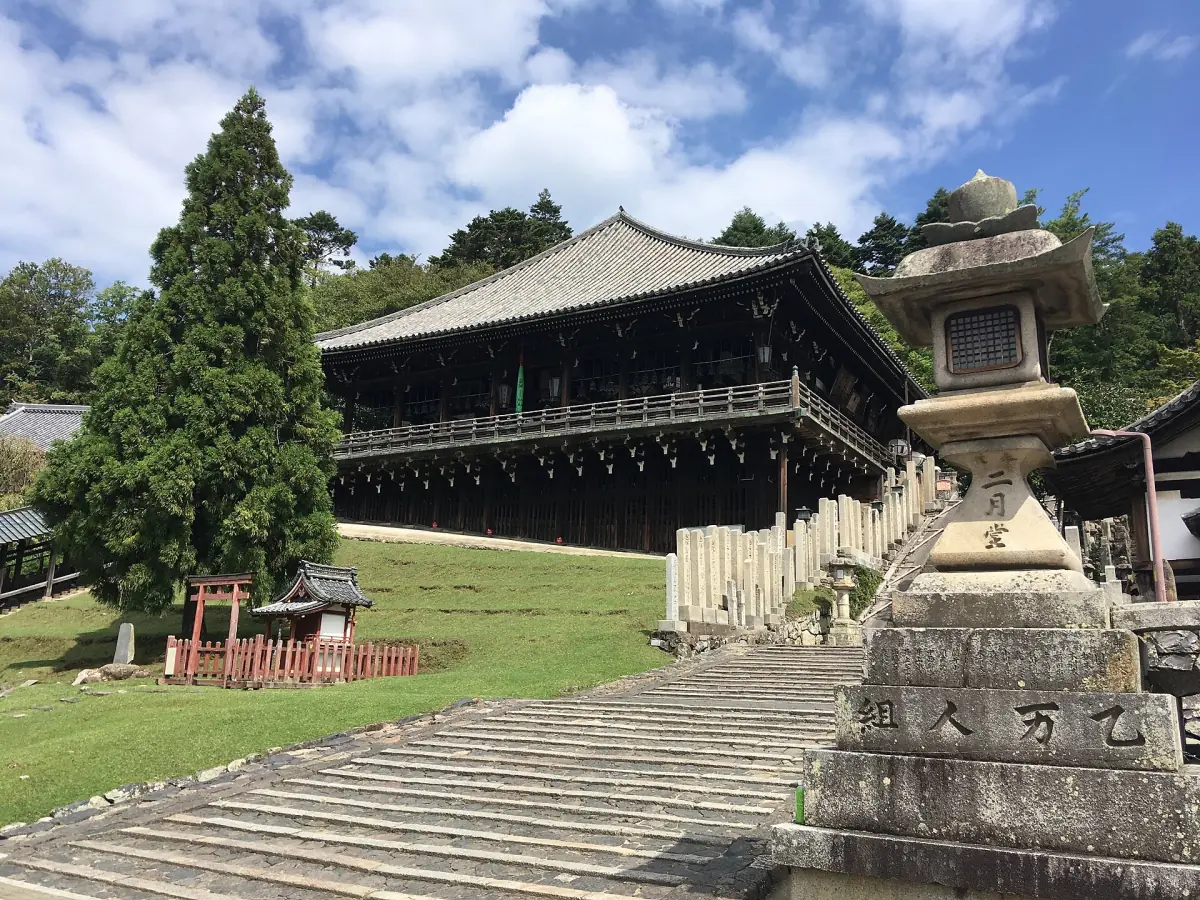
Nigatsudo at a glance
The Nigatsudo is a wooden hall in the eastern part of the Todai-ji grounds. It sits above the paths on higher ground, with a raised veranda that looks out over the city. People come for that view and for the setting on the hillside above the main halls.
Its name means Hall of the Second Month. It comes from the old lunar calendar and from the Shuni-e, the March rite that gave the festival its popular name, the Omizutori. The present building is a National Treasure.
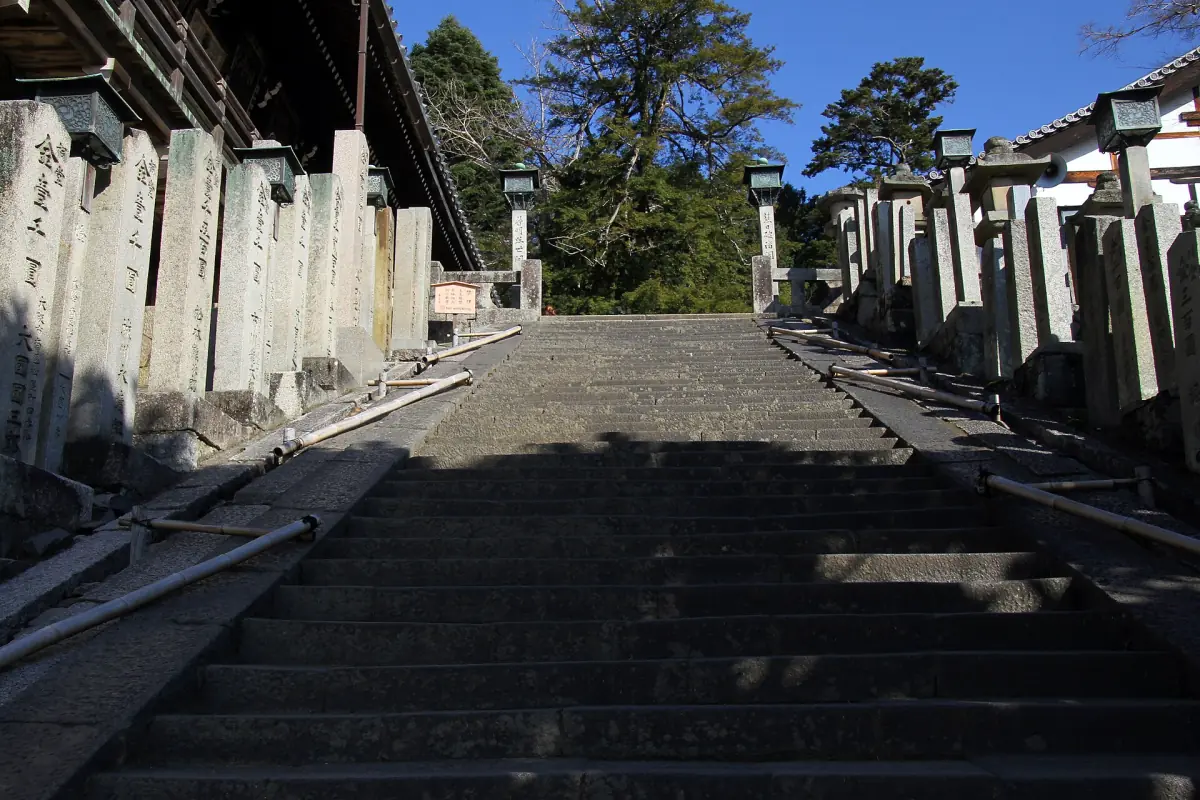
Getting up to the Nigatsudo
What the approach is like and what to expect at the top.
Where it is
The hall lies in the eastern part of the Todai-ji complex. You reach it on stone paths and stairs, or by the covered wooden stairway. Add time on top of your visit to the Daibutsuden, because the walk up is part of the visit.
No ticket needed
There is no fee for the Nigatsudo, unlike the Daibutsuden, the Hokkedo, the Kaidan-in and the museum, which each charge their own entry. In everyday use the area can be visited at any hour of the day, all year.
The view
From the elevated hall you look out over the roofs of Nara. Wear shoes with grip. Stone steps and wooden stairs can be slippery after rain.
Time to allow
A short stop, including the climb and a look from the veranda, fits into half an hour. Add more if you want to read the signs or walk on to the Hokkedo.
Nara tours that include Todai-ji
Guided walks and day trips with Todai-ji and Nara Park on the route, with live prices and availability.
The building and its name
The hall is called the Hall of the Second Month because the Shuni-e used to be held in the second month of the old lunar calendar. Today the rite runs in March by the modern calendar.
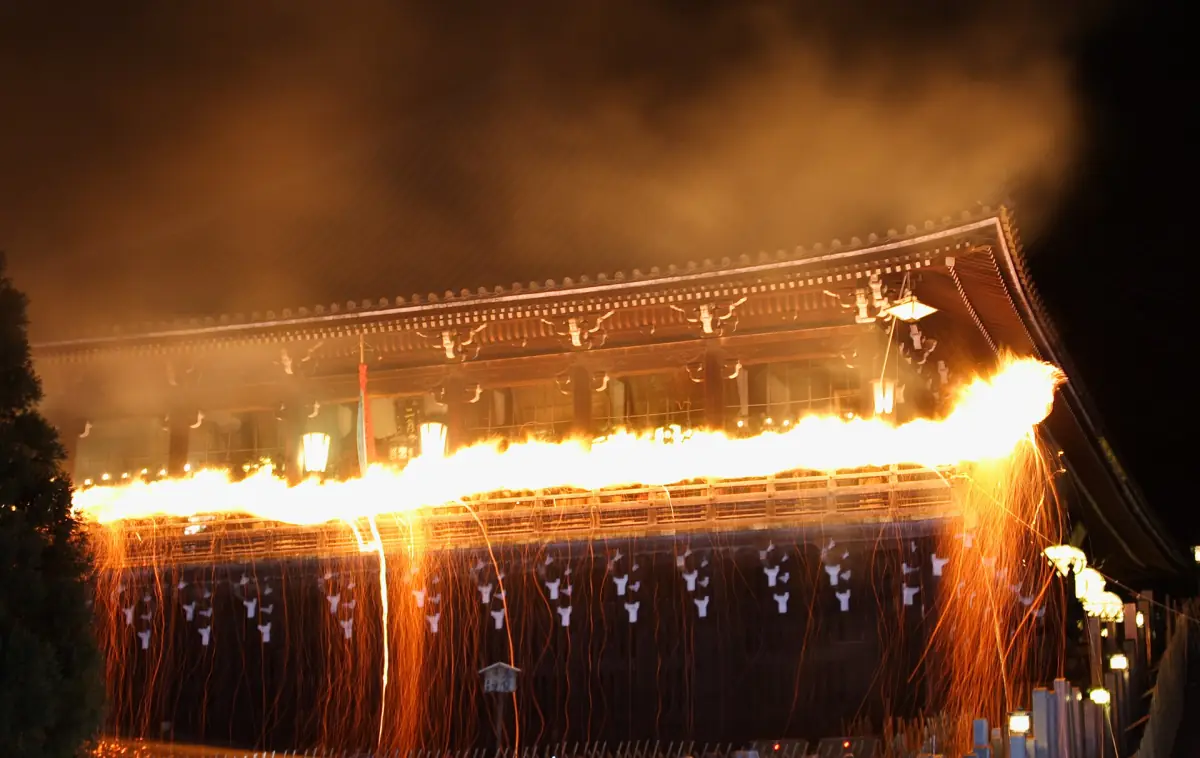
The first Nigatsudo burned down in 1667 during the ritual. The hall you see now was rebuilt in 1669. It is a National Treasure, and its balcony is where the large torches are carried during the Omizutori.
On other days the hall is simply a viewpoint. A common plan is to add it to a visit to the Great Buddha Hall: climb the stairs, look out over the town and walk back down.
Rules and closures
Respect the hall as a place of worship.
Inside the hall
Photography, drawing and flashlights are not allowed inside. The photo permission for the Daibutsuden does not carry over to the Nigatsudo, so follow the signs at the hall.
During the Omizutori
From 1 to 14 March, access to parts of the grounds is closed for periods before, during and after the torches. If the Nigatsudo is on your list, read the Omizutori page before you plan an evening there.
Deer and paths
The paths between the halls run through Nara Park, where wild deer roam. Details on feeding and safety are in the Nara deer guide.
More halls nearby
For a wider route, the museum and the history of the temple give context for what you see on the hill.
Seasons on the hill
The climb is open to the weather. In Nara the average daily high is 31.7 degrees Celsius in July and 33.4 in August, so bring water and go early in summer. In January the average daily low is 0.8 and in February 1.0, so the stone steps can feel cold. March, when the Omizutori takes place, averages 13.9 by day and 3.6 at night, and it is the wettest of the late-winter months with about 105 mm of rain.
Autumn is milder. October averages 22.6 by day and November 17.1, with less rain in November than in October. These are long-term monthly averages, not a forecast for your day. Our best time to visit page puts the figures next to crowds and festivals.
Plan the rest of your visit
Other halls and pages on this site.
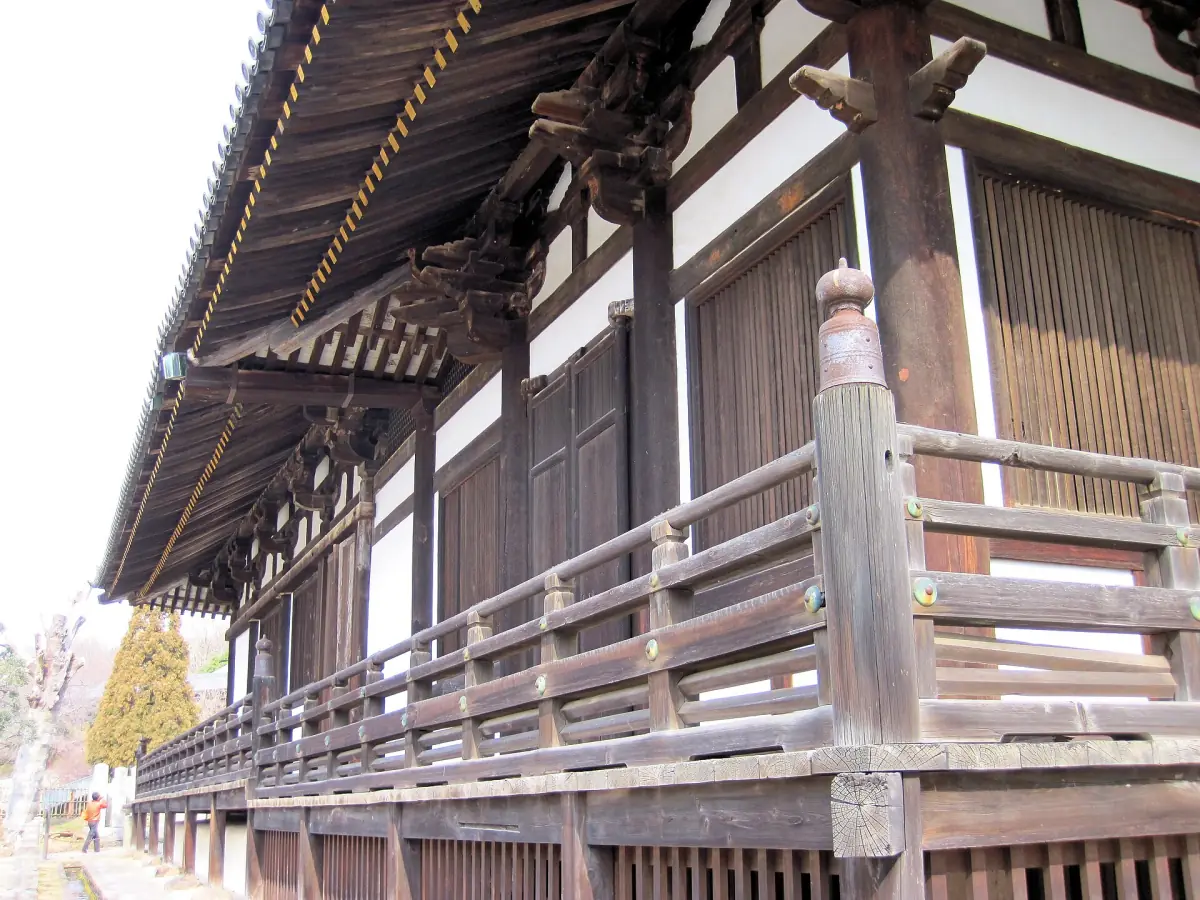
Hokkedo (Sangatsudo)
The oldest surviving building at Todai-ji, with its own ticket.
Omizutori in March
Dates, torch times from 2026 and what the crowd rules mean.
Entry fees and hours
Which halls charge, what the combined ticket covers.
More sights in the surrounding park, such as Kasuga Taisha, are covered by our sister guide to Nara Park.
Nigatsudo: frequently asked questions
Is the Nigatsudo free?
Yes. Admission to the Nigatsudo area is free in 2026, while the Daibutsuden, Hokkedo, Kaidan-in and museum each charge their own fee.
Can I visit the Nigatsudo at any time?
In normal use the area is open at any hour, all year. During the Omizutori in March the temple closes parts of the access at times, so check the current notice before you go.
What does Nigatsudo mean?
It means Hall of the Second Month. The name comes from the old lunar calendar, in which the Shuni-e ritual fell in the second month.
Can I take photos at the Nigatsudo?
Not inside the hall. Photography, drawing and flashlights are not allowed there, and the permission for the Daibutsuden does not apply.
When was the Nigatsudo built?
The present hall dates from 1669. The earlier building burned in 1667 during the ritual.
How much time do I need?
About half an hour for the climb and the view, more if you add the Hokkedo or the museum on the same walk.